
Understanding the psychology behind gambling decisions
The Thrill of Uncertainty
The psychology behind gambling decisions often hinges on the thrill of uncertainty. Many individuals are drawn to the unpredictability of games, where the outcome is not guaranteed. This unpredictable nature creates a rush of excitement, prompting players to engage repeatedly. The brain releases dopamine, a neurotransmitter associated with pleasure, reinforcing the desire to seek out that feeling again. In this landscape, Harbour 33 Casino serves as a popular choice for those looking for a diverse gaming experience.
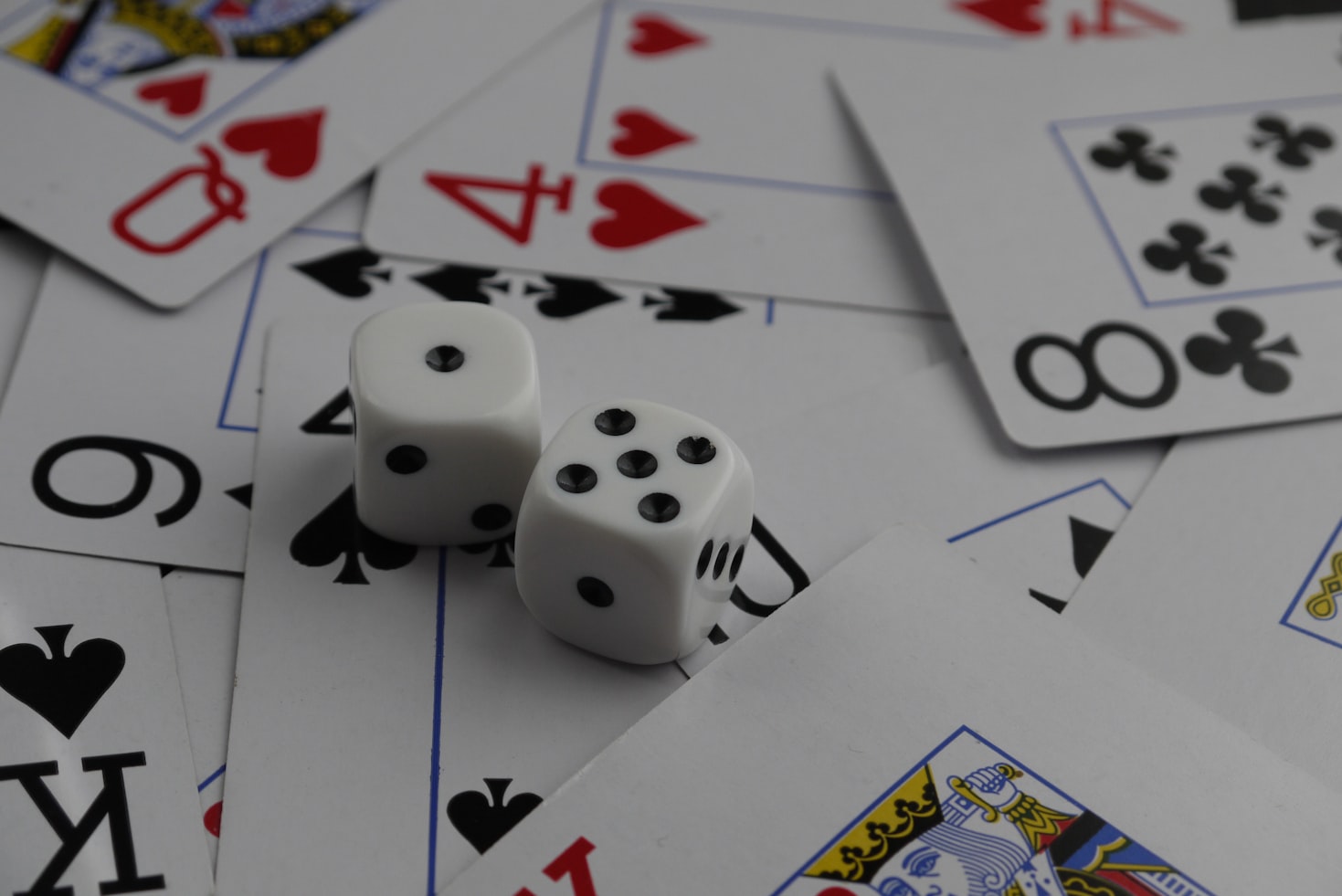
This thrill can lead to a cognitive bias known as the illusion of control, where players believe they can influence outcomes in games that are predominantly chance-based. This belief can drive individuals to make riskier bets, further fueling their engagement with gambling, often leading to overconfidence in their skills or strategies.
The Role of Cognitive Dissonance
Cognitive dissonance plays a significant role in gambling behaviors. When individuals gamble and experience losses, they may feel a conflict between their desire to win and the reality of their situation. To alleviate this discomfort, they might convince themselves that they are close to winning or that their luck will soon change, which can perpetuate the cycle of gambling.
This rationalization can lead to chasing losses, where players continue to gamble in hopes of recovering what they’ve lost. This mindset can trap individuals in a loop of behavior that is difficult to break, reinforcing the idea that they can eventually turn their fortunes around.
Social Influence and Peer Pressure
The social aspect of gambling also impacts decision-making significantly. Engaging in gambling activities often occurs in social settings, and the behavior of peers can heavily influence an individual’s choices. If friends or family members exhibit positive attitudes towards gambling, it can create a perception that gambling is a socially acceptable activity, encouraging participation.
Moreover, the presence of others can amplify feelings of excitement and competition. This social influence can lead to increased betting amounts or riskier choices, as individuals may not want to appear timid or left out. The desire for social acceptance can thus drive decisions that might not align with one’s better judgment.
The Impact of Marketing and Availability
Marketing strategies employed by gambling establishments significantly affect player behavior. Promotions, bonuses, and targeted advertisements can create a sense of urgency and excitement around gambling. These marketing tactics often highlight the potential for high rewards, overshadowing the inherent risks involved.
Additionally, the accessibility of online gambling platforms has changed the landscape. Players can gamble from the comfort of their homes, making it easier to engage impulsively without the usual checks and balances present in physical casinos. This convenience can lead to increased gambling frequency and, potentially, problematic behaviors.

Join Harbour 33 Casino for Responsible Gaming
At Harbour 33 Casino, we understand the complexities of gambling psychology. Our platform aims to provide a thrilling yet responsible gaming experience. We promote safe gambling practices and offer resources for those who may need assistance in managing their play.
By joining our community, you can explore a wide range of games while being mindful of your gaming habits. Our commitment to creating a secure environment ensures that every gaming session is enjoyable and responsible, aligning with our focus on player welfare and satisfaction.