
The Appeal of Casino Games
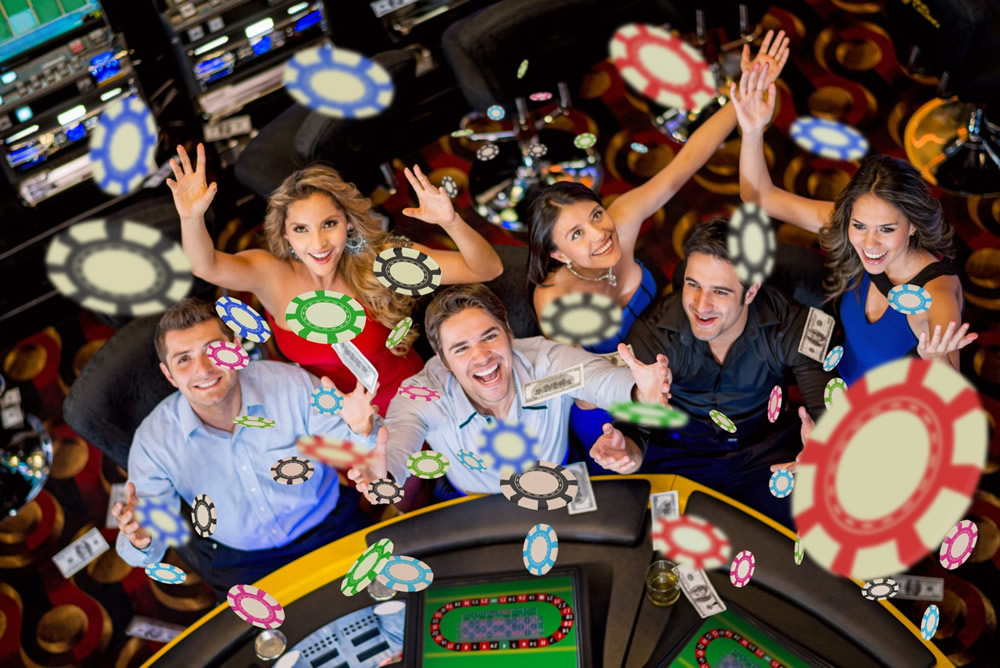
Casino games are designed with an array of psychological principles in mind, making them incredibly appealing to players. The thrill of risk and the potential for reward taps into basic human instincts. When players engage in games like slots or blackjack, they experience a rush from the possibility of winning big, which can lead to an adrenaline high that keeps them coming back for more. This phenomenon is especially evident when players perceive events such as sweep coins casino sweeping the gaming landscape with excitement.

This excitement is often enhanced by the sensory stimuli present in casinos. Bright lights, engaging sounds, and vibrant colors create an immersive environment that can stimulate emotional responses. These elements not only attract players but also influence their decision-making processes, often leading them to choose games that are visually and audibly captivating.
The Role of Cognitive Biases
Cognitive biases significantly impact how players choose their games. For example, the “gambler’s fallacy” can lead players to believe that past outcomes affect future results, prompting them to switch games in hopes of reversing their luck. This illusion of control can drive players to make choices that aren’t necessarily based on probability but rather on a misunderstanding of chance.
Additionally, the “availability heuristic” suggests that players may gravitate towards games that they have heard about frequently or those that seem to have a higher payout, even if the actual odds don’t support that belief. These biases can create a skewed perception of risk and reward, ultimately guiding players towards certain game types.
Emotional Influences on Game Selection
Emotions play a crucial role in casino game selection. Players often choose games based on their current emotional state; for instance, someone feeling lucky may opt for high-stakes options, while those looking for relaxation might choose lower-risk games. This emotional connection can enhance the gaming experience, making it feel more personal and engaging.
Moreover, the social aspect of casino gaming can influence choices. Many players enjoy the camaraderie that comes with group play, which can lead them to select games that allow for social interaction, such as poker. The social environment can create a sense of community, making the gaming experience more enjoyable and memorable.
The Impact of Game Design
Game design is meticulously crafted to keep players engaged and coming back for more. Features such as bonuses, progressive jackpots, and mini-games are integrated to maximize player retention and satisfaction. These design elements capitalize on the psychology of reward, encouraging players to invest more time and money into their chosen games.
Furthermore, the concept of “near misses”—when players come close to winning but fall short—plays a significant role in their choices. This phenomenon can create a false sense of hope, motivating players to continue playing in pursuit of that elusive win. Game designers understand this psychology and leverage it to enhance player loyalty and engagement.
Understanding Player Behavior on Xupermask
At Xupermask, understanding the psychology behind player behavior can inform innovative solutions in gaming technology. By integrating advanced technology into gaming experiences, the site aims to enhance user engagement while ensuring safety and security. This blend of protection and functionality can lead to more fulfilling experiences for players, addressing both their emotional and psychological needs.
Xupermask’s focus on innovative solutions also includes ensuring a seamless and user-friendly environment, which is essential in the casino gaming space. By analyzing player preferences and behaviors, Xupermask can provide valuable insights that enhance the overall gaming experience, reinforcing the connection between thrilling gameplay and player satisfaction.